
This Election Day, Social Security Really Is “On the Ballot”
By Max Richtman

With less than a week until the midterms, the political right continues to push the narrative that Social Security must be cut and privatized. But the people and candidates I have met on the campaign trail seem to feel very differently. I’ve been traveling the country endorsing Social Security champions like Iowa Senate candidate Josh Turek, New Hampshire Senate contender Chris Pappas, California Congressman Mike Thompson, Virginia House hopefuls Shannon Taylor and Tom Perriello, and myriad others. I give each candidate a pair of red NCPSSM boxing gloves to signify their status as fighters for seniors.
What unites these candidates?... A commitment to strengthening Social Security for the future – without cutting benefits or gambling workers’ contributions on Wall Street. As candidate Taylor said at a campaign event in Virginia this week, “Social Security and Medicare are critical lifelines for seniors. I’m going to oppose (benefit) cuts and work to find a path forward to ensure Social Security remains solvent.”
“By and large, Republicans oppose raising payroll taxes for the wealthy and have instead advocated benefit cuts – such as increasing the retirement age or means testing - and/or privatization. On this issue, they’re squarely out of sync with voters.”
That’s why we say that Social Security is on the ballot in November. Candidates elected to Congress this year will have to confront the projected depletion of the Social Security trust fund in 2032 and avoid an automatic 22% benefit cut. It isn’t fair to ask future seniors to bear the brunt of any fixes to the program.

Strengthening Social Security without cutting seniors’ much-needed benefits should be a bi-partisan issue – especially in a campaign cycle where affordability is voters’ top concern. In fact, a few Republican candidates have recently joined Democrats’ call to bring more revenue into the program by having higher earners pay their fair share, including Senator Roger Marshall (R-KS) just this week.
CBS News reports that in a recent analysis of 20 Senate races, around half of the candidates (including almost all of the Democrats in those races) said they would support raising or eliminating the Social Security payroll wage cap.
By and large, Republicans oppose raising payroll taxes for the wealthy and have instead advocated benefit cuts – such as increasing the retirement age or means testing - and/or privatization. On this issue, they’re squarely out of sync with voters. Opinion polling consistently indicates that Americans across party lines want to see Social Security benefits protected, not cut.
“In October, President Trump – who has repeatedly promised ‘not to touch Social Security’ - admitted that he wanted to privatize the program “so badly” after he won in 2016, but Democrats stopped him.”
The overall divide between Republican and Democratic candidates on the issue of Social Security is stark. In key senate races – including Michigan, New Hampshire, Iowa, and Texas - the GOP candidates have a history of favoring privatization and cuts, while the Democrats want revenue-side solutions.
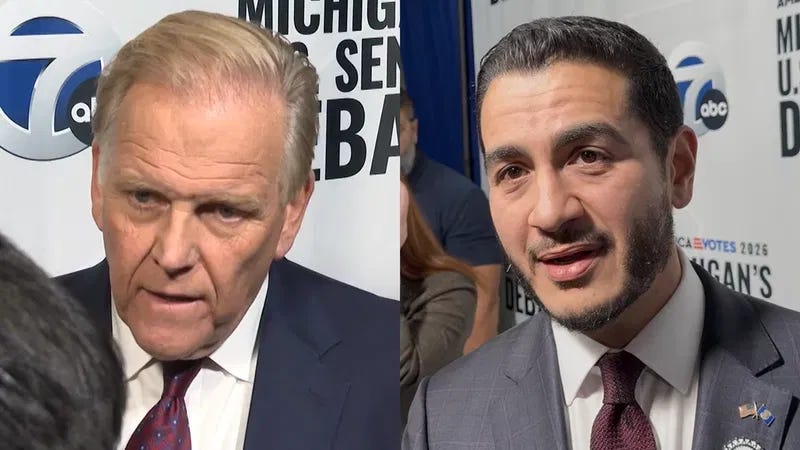
Earlier this month, the Republican contender in New Hampshire’s first congressional district, Anthony DiLorenzo, said that workers’ Social Security contributions “should be invested in the stock market” - a risky proposition that most Americans oppose. Meanwhile, Michigan Senate contender Mike Rogers - who is running against Democrat Abdul El-Sayed, - “pushed for overhauling Social Security, including supporting measures to privatize the program” when he was a member of Congress, according to Yahoo! News.
In Iowa, Republican Senate candidate Ashley Hinson, currently a member of the U.S. House, said in 2020 that she was “open” to raising the Social Security retirement age for today’s younger adults – a huge lifetime benefit cut.
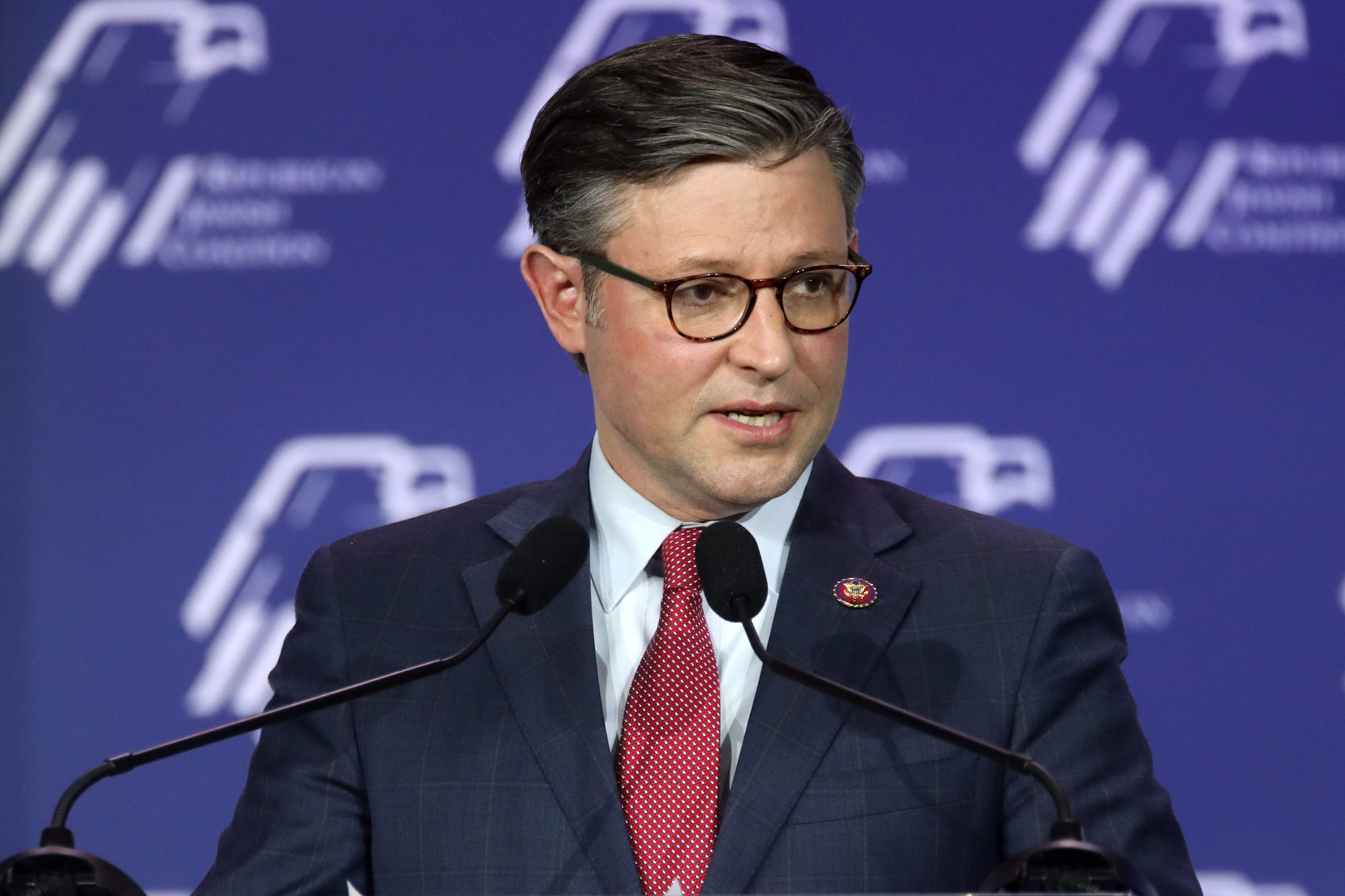
Pronouncements from top Republican leaders are equally unsettling. In June, House Speaker Mike Johnson (R-LA) vowed to “fix” Social Security in 2027 if his party maintains control, without specifying exactly how senior’s benefits would be ‘fixed.’
In October, President Trump – who has repeatedly promised “not to touch Social Security” - admitted that he wanted to privatize the program “so badly” after he won in 2016, but Democrats stopped him.
“For decades, the right has been trying to undermine Social Security via various privatization schemes, claiming that the money will not be there when you retire,” writes Robert Kuttner in The American Prospect. This strategy seems to be working, at least with some younger adults who have become convinced that Social Security won’t be around when they retire.
I’m happy to report that as we engage with younger voters this season, some of them are beginning to understand that only by supporting Social Security NOW can they help ensure it will be there when they’re older. As Gen Z influencer Tevin Davis says, “We cannot afford to wait until retirement to start fighting for Social Security! With the cost of living skyrocketing and making ends meet harder than ever, the last thing we should have to worry about is whether there will be anything left for us when our working years are over.”
To truly protect Social Security, all generations - including seniors, Millennials, and Gen Z - must rally behind candidates who truly support the program, and don’t want to slash benefits or alter it beyond recognition. Social Security will not appear as a separate question on the ballot. But its future is on the line just the same — alongside the names of the people asking for your vote.
Max Richtman is president and CEO of the nonprofit National Committee to Preserve Social Security & Medicare.